


6.5.-31.5.2026 / Arttila /

FI / EN:
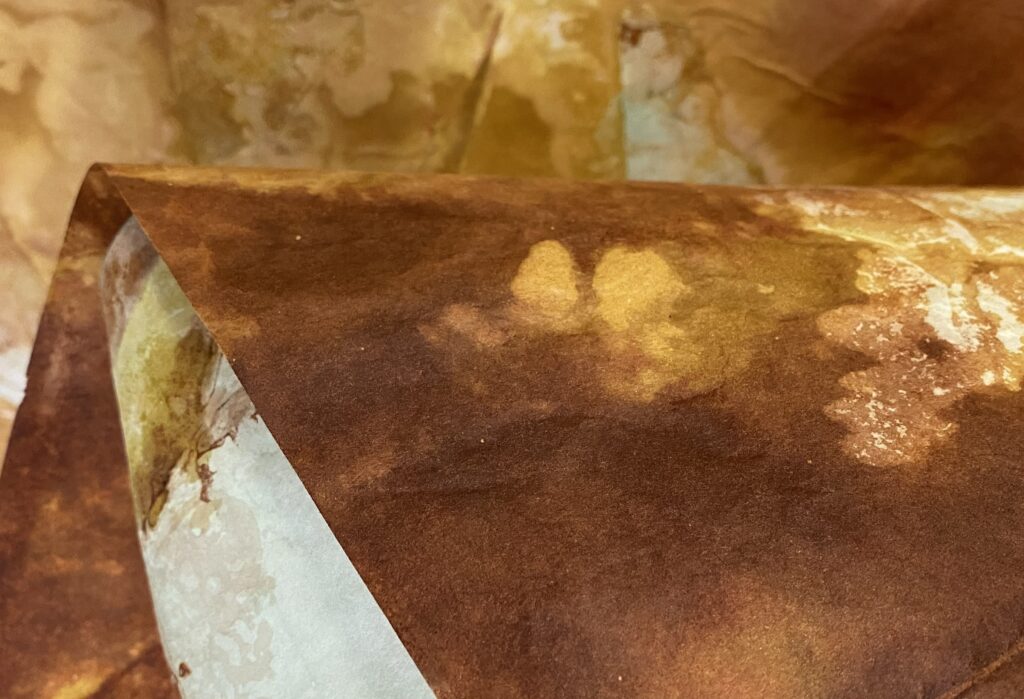
Näyttelyssä Ohikiitävä pysyvyys Mervi Niemitalo tarkastelee ajan ja aineen olemusta maapallon geologisen ajan (syvä aika) näkökulmasta erityisesti materiaan tiivistyneenä aikana.
”Katsoessamme kalliota, hiekanjyvää tai meripihkanpalaa, on vaikea ymmärtää satojen, miljoonien ja miljardien vuosien aikaperspektiiviä tai ymmärtää olevamme aineenvaihdannan kautta kytkeytyneenä tuohon elottomaan jopa niin syvästi, että elollinen ja eloton vastakkaisina jakoina menettävät merkityksensä. Olemme osa aineen kiertokulkua ja maailman hengitystä. Nykytutkimuksen valossa voimme kysyä, missä kulkevat erilaiset aineiden, esineiden, ekosysteemien ja samalla myös minuutemme rajat?”
Mervi Niemitalo (1960) on kuvataiteilija ja taidekasvattaja, jonka maalaukset sekä monimateriaaliset veistokset käsittelevät usein ihmisen ja ympäristön välistä suhdetta sekä niiden taustalla vaikuttavia kulttuurisia käsityksiä. Hänen teoksissaan käyttämänsä tekniikat ja materiaalit muodostavat oleellisen osan teosten sisältöä.
Näyttely on osa Oulu2026-kulttuuriohjelmaa ja kulttuuri-ilmastonmuutosta.
EN:
In the exhibition Passing Permanence Mervi Niemitalo examines the essence of time and matter from the perspective of the Earth’s geological time (deep time), especially how time is condensed into matter. ”When we look at a rock, a grain of sand, a piece of amber, it is difficult to understand the time perspective of hundreds, millions and billions of years or to understand that we all are connected to that “inanimate” nature through our metabolism, even so deeply that the animate and inanimate as opposing divisions lose their meaning. We are part of the cycle of matter and the breathing of the world. In light of current research, we can ask where the different boundaries of substances, objects, ecosystems, and at the same time our own selves lie?”
Mervi Niemitalo (1960) is a visual artist and art educator whose paintings and multi-material sculptures often deal with the relationship between humans and the environment and the cultural perceptions that underlie them. The techniques and materials she uses in her works form an essential part of the content of the works.
The exhibition is part of the Oulu2026 cultural program and cultural climate change.