
2.9.-27.9.2026 / Galleria 5
FI / EN:
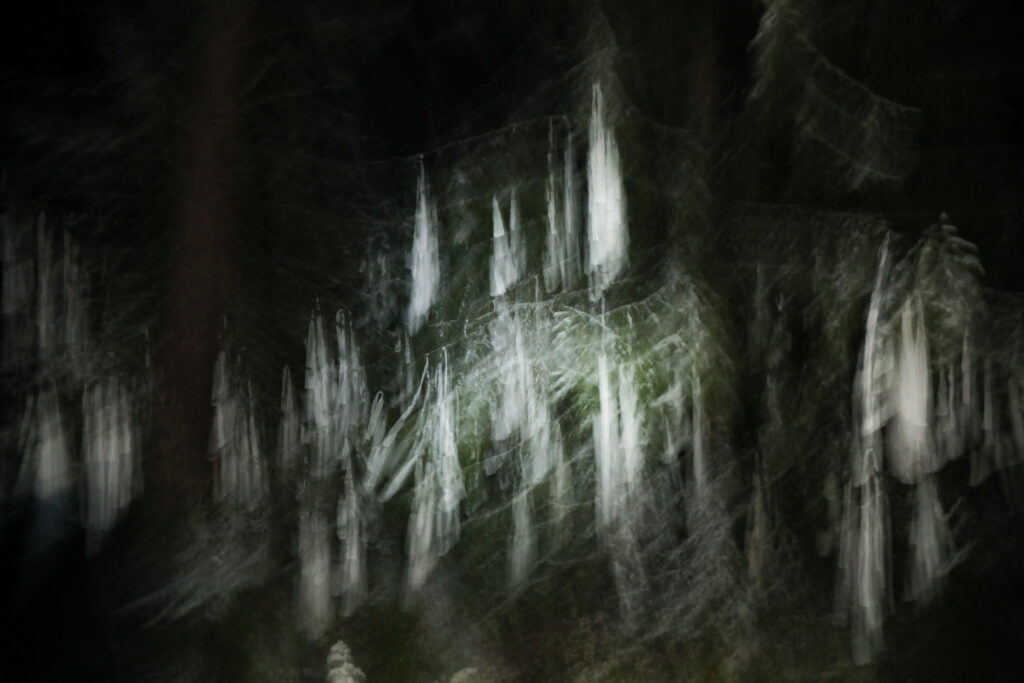
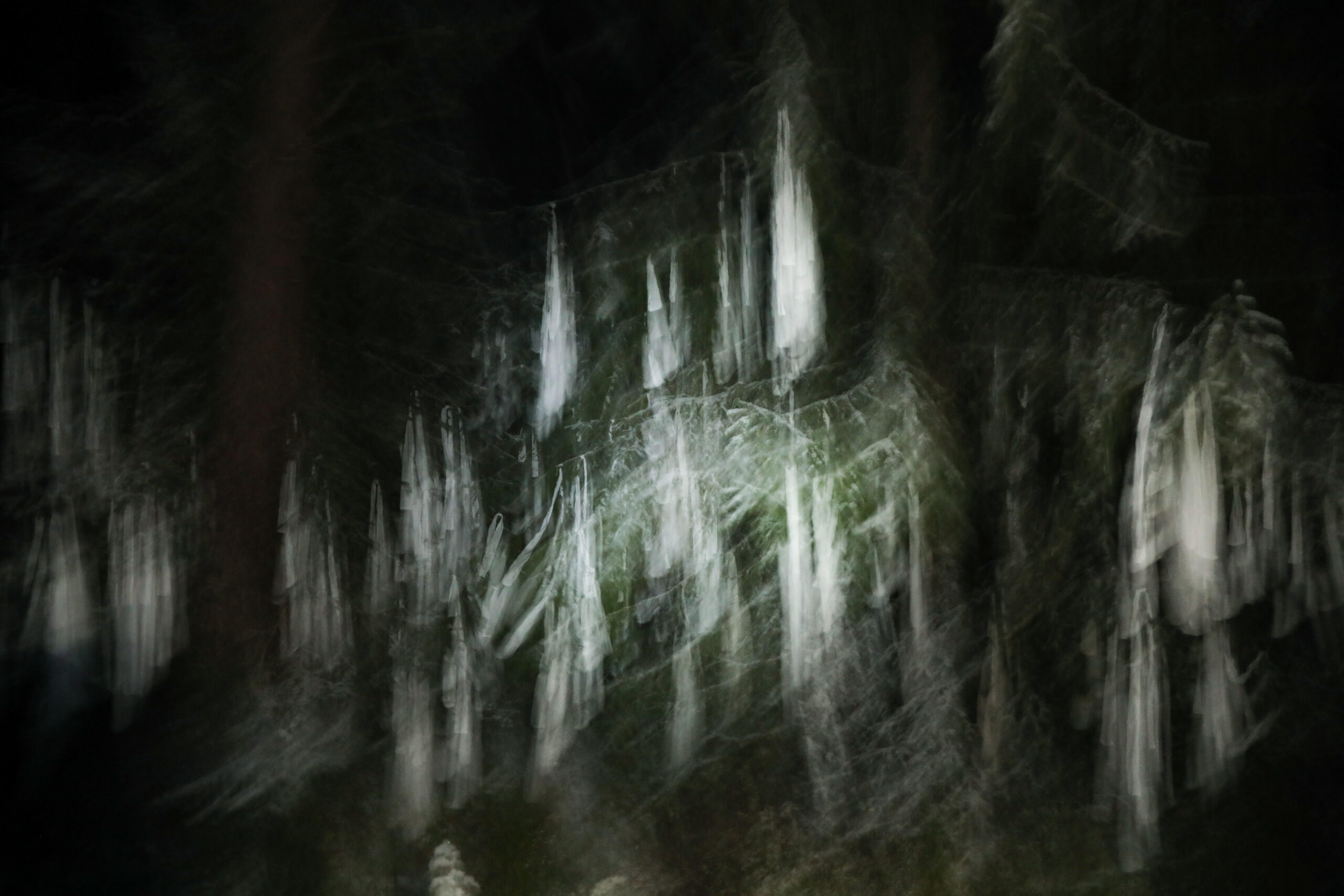
Katson kameran linssin läpi. Näen kaiken pienempänä, rajatumpana. Jollain tavalla kokonaisemmin. Kysyn paikalta, miten se haluaisi itsensä kuvattavan? Katson paikkaa, tunnen sen maanpohjan, sen varvikon. Katson tuulipaikkaa, kuolinvaatetta.
Museot tallettavat muistia ja perinnettä. Miten muistaminen muuttuu museoinnin välityksellä ja miten elävä kulttuuriperintö ylläpitää yhteisön kollektiivista muistia?
Entä miten muistaa kun ei ole paikkoja missä muistaa?
Näyttely pohtii muistamisen paikkasidonnaisuutta, jatkuvuutta ja rajallisuutta, miten välineellistynyt muistaminen muuttaa kulttuuria. Vähemmistökulttuurin yhteisöllinen muisti vahvistuu kulttuurin vahvistuessa, vaate vaatteelta, ommel ompeleelta, tuulipaikka tuulipaikalta se juurevoittaa yhteisöä ja vahvistaa sen olemassaoloa.
Näyttelyn teoksissa Suvanto on työskennellyt vuoden ajan paikkasidonnaisesti Pudasjärvellä rakentaen uutta muistamisen tilaa ja kuvannut muuttuvaa maisemaa. Teokset pohtivat esivanhempien muistamisen rituaalisuutta karjalaisen katseen kautta, sen kuolema- ja muistiperinnettä jatkaen.
Karjalaisessa kulttuurissa esivanhempia muistetaan yhdeksänteen sukupolveen saakka. Venäjän hyökättyä Ukrainaan ja rajan sulkeuduttua muuttuivat suvun vanhat kotipaikat epäpaikoiksi. Ne ovat ja eivät ole olemassa samaan aikaan. Teokset kommentoivat ja pohtivat myös karjalaisen kulttuurin ylirajaisuutta sekä laajemmin siirtolaisuuden ja pakolaisuuden kokemuksia.
Suvanto on karjalais-suomalainen kuvataiteilija, joka tutkii teoksissaan karjalaisuutta, oman sukunsa pakolaishistoriaa sekä karjalan kielen ja kulttuurin yhteiskunnallista asemaa. Hän viimeistelee tällä hetkellä maisteriopintojaan Taideyliopiston Kuvataideakatemiassa.
Näyttely on osa Oulu2026-kulttuuriohjelmaa ja kulttuuri-ilmastonmuutosta.
EN:
I look through the camera lens. I see everything smaller, more framed. In a way, more whole. I ask the place how it would like to be photographed. I look at the place; I feel the ground beneath, the low-growing vegetation. I look at the wind cloth, the shroud.
Museums store memory and tradition. How does remembering change through museology and how does living cultural heritage maintain the collective memory of a community?
And how do you remember when there are no places to remember?
The exhibition considers the continuity and limitations of remembering, how instrumentalized remembering changes culture.The communal memory of minority culture is strengthened as the culture is strengthened, garment by garment, stitch by stitch it strengthens the community and strengthens its existence.
For the works in this exhibition, Suvanto has spent a year working site-specifically in Pudasjärvi, constructing a new space for remembrance and photographing the changing landscape. The works reflect on the ritual nature of remembering ancestors through a Karelian perspective, continuing the region’s traditions surrounding death and memory.
In Karelian culture, ancestors are remembered back to the ninth generation. Following Russia’s invasion of Ukraine and the closure of the border, the family’s ancestral homes transformed into “non-places”—existing and not existing at the same time. The artworks comment on and explore the trans-border nature of Karelian culture, while also reflecting more broadly on the experiences of migration and displacement.
Suvanto is a Karelian-Finnish visual artist who explores Karelian culture, the history of her own family, and the social and legal status of the Karelian language and culture in her works. She is currently completing her master’s studies at the Academy of Fine Arts of the Uniarts Helsinki.
The exhibition is part of the Oulu2026 cultural program and cultural climate change.